

A lanyard is a wearable accessory made of materials such as rope, webbing, or chain, typically used to hang, secure, or carry items (such as ID cards, keys, tools, and mobile phones). Its core design goals are to enhance portability, security, and identification efficiency. By hanging items around the neck, wrist, or waist, they reduce the risk of loss and provide quick and easy access. From exhibition badges to industrial tools, fashion accessories to medical equipment, lanyards have become an indispensable and practical tool in modern life.
1. Two Core Types of Lanyards
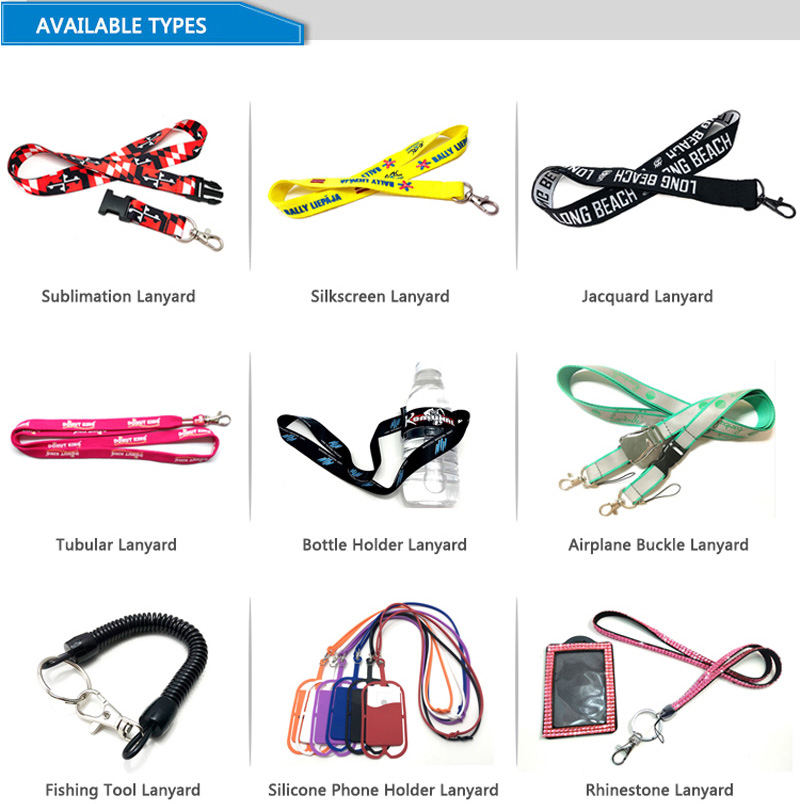
Classification by Function and Usage
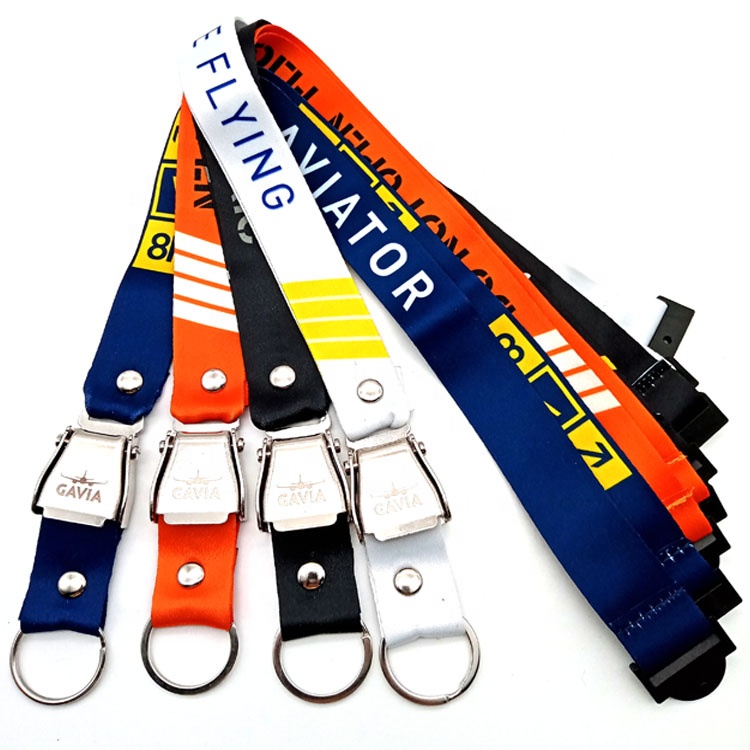
ID Lanyards
Design Features: Typically 10-20mm wide, with a plastic sleeve or metal clip at the end, they are used to hang work badges, access cards, or exhibition badges.
Additional Features: They can be integrated with a safety breakpoint (automatically breaks when subjected to a force exceeding 5kg), a retractable buckle (adjustable from 30-60cm in length), or an RFID shielding layer (to prevent data theft).
Typical Uses: Employee commuting, international conference attendee management, and student entry and exit identification. Tool Lanyards
Design Features: Made of high-strength materials (such as nylon or steel wire), with a width of ≥ 25mm and a quick-release buckle or spring hook at the end. They can carry tool weights (typically ≥ 5kg).
Additional Features: Anti-tangling design (such as a spiral structure), anti-slip coating (for increased friction), or a built-in LED light (for nighttime illumination).
Typical Uses: Construction workers hanging wrenches, electricians carrying multimeters, and maintenance personnel securing screwdrivers.
2. Classification by Wearing Method
Neck Lanyards
Structure: A single or double strap wraps around the neck with adjustable length (40-80cm). Suitable for items that require frequent access (such as a handheld microphone for a trade show presenter).
Advantage: Hands-free, keeping items within sight and reducing the risk of loss.
Wrist Lanyards
Structure: An elastic strap (such as silicone) or adjustable webbing wraps around the wrist. Suitable for lightweight items (such as keys and USB drives).
Advantage: Comfortable to wear, suitable for exercise or other situations requiring flexible operation (such as carrying a gym membership card).
Waist Lanyard
Structure: Secures to a belt loop via a metal buckle or webbing. Commonly used for hanging heavy equipment such as walkie-talkies and flashlights.
Advantages: Distributes weight, reduces neck strain, and is suitable for long periods of work (such as security patrols).
3. Common Lanyard Materials and Characteristics
1. Webbing Materials
Polyester
Features: High tensile strength (≥2000N/5cm), superior abrasion resistance to cotton, washability (≥90% strength retention after 100 cycles), and vibrant colors (complex patterns can be printed).
Applications: Customized corporate ID lanyards and promotional gift lanyards.
Nylon
Features: Low density (1.14g/cm³), strong impact resistance (elongation at break 18-25%), low-temperature resistance (no brittleness at -70°C), suitable for outdoor environments.
Applications: Mountaineering tool lanyards and military equipment straps.
2. Elastic Materials
Silicone
Features: Non-toxic and odorless (FDA-compliant), temperature resistant from -40°C to +230°C, elastic recovery rate ≥95%, suitable for direct skin contact.
Applications: Medical device lanyards (such as stethoscopes), children's toy lanyards.
TPE (Thermoplastic Elastomer)
Features: Injection moldable (accommodating complex structures), adjustable hardness (0-100 Shore A), environmentally friendly and recyclable (ROHS compliant).
Applications: Smartwatch charging lanyards, sports earphone anti-loss lanyards.
3. Metal Materials
Stainless Steel Wire Rope
Features: Tensile strength ≥1570MPa, corrosion resistance (no rust after 720 hours of salt spray testing), diameter as small as 0.5mm, suitable for securing micro devices.
Applications: Jewelry lanyards, high-end mobile phone anti-loss lanyards.
Aluminum Alloy Chain
Features: Lightweight (density 2.7g/cm³), anodized surface (long-lasting color), load capacity over 50kg. Applications: Industrial tool lanyards, photography equipment safety lanyards.
4. Lanyard Advantages
Improved Safety
Securing items reduces the risk of loss (for example, hospitals have reduced the loss rate by 80% by attaching scalpel lanyards to surgical gowns).
A safety breakpoint prevents neck injuries from being pulled (compliant with EN 1095 standards).
Enhanced Portability
Frees hands, making it suitable for multitasking (for example, couriers can hang PDA scanners on their lanyards, improving delivery efficiency).
Quick-access features (such as a spring hook) reduce tool access time to less than 1 second.
Supports Brand Promotion
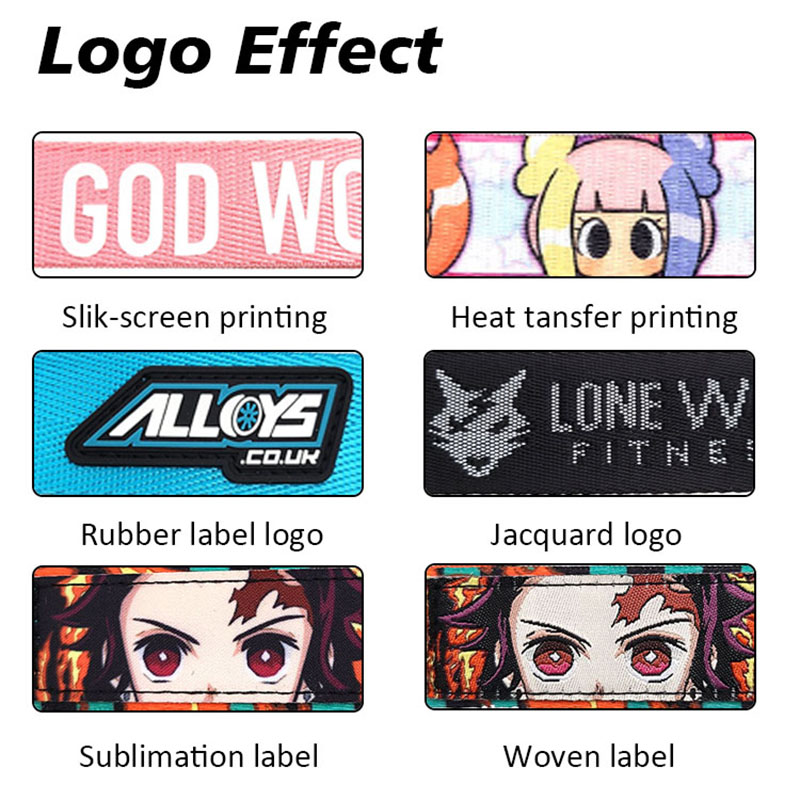
Customized printing (screen printing, heat transfer) allows you to display your company logo, slogan, or QR code, creating a low-cost, high-visibility mobile advertisement.
Adapts to Diverse Needs
Adjustable length (30-120cm) accommodates users of different heights. Special coatings such as waterproof, fireproof, and anti-static coatings can withstand extreme environments (for example, corrosion-resistant lanyards in chemical plants).
5. Typical Application Scenarios for Lanyards
Enterprise and Institutional Management
Employee ID Lanyards: Integrated access card functionality allows for multiple uses. After adopting this, a technology company saw a 90% decrease in employee ID forgetting.
Visitor Management: Differentiating access privileges with colored lanyards (e.g., red for VIPs, blue for general visitors) improves security efficiency.
Events and Exhibitions
Conference ID Lanyards: Built-in NFC chips enable contactless check-in. For example, using them at international summits reduced entry times from 3 minutes per person to 10 seconds.
Promotional Gift Lanyards: Included with branded USB flash drives or coupons, cosmetics brands, for example, use this method to increase repeat purchases.
Industrial and Medical Sector
Tool Lanyards: Electricians use insulated nylon lanyards to secure multimeters, reducing the risk of electric shock. Surgeons use silicone lanyards to secure surgical instruments and prevent contamination.
Equipment Securing: Laboratories use stainless steel lanyards to secure test tube racks, preventing them from tipping over due to earthquakes or collisions.
Consumption and Fashion
Phone Lanyards: Retro braided lanyards are becoming a trendy accessory for young people, complementing smartphones. For example, co-branded lanyards have seen significant monthly sales growth.
Key Lanyards: LED-lit lanyards solve the problem of finding keys at night and have received high user ratings on Amazon.