

Driven by increasingly stringent global environmental policies and rising consumer demand, acrylic materials, with their unique environmental attributes and processing advantages, are becoming a "new favorite" in the jewelry pendant industry. From home décor to cultural and creative gifts, from personalized customization to cross-border e-commerce, acrylic jewelry pendants are reshaping the traditional jewelry industry's ecosystem with an average annual market growth rate of 13%.
Material Advantages: A Dual Breakthrough in Environmental Protection and Performance
Acrylic (polymethyl methacrylate, PMMA), as a thermoplastic, boasts environmental attributes throughout its entire lifecycle. On the production side, acrylic can be recycled to achieve a closed-loop cycle, with processing energy consumption reduced by 30% and carbon emissions reduced by 45% compared to traditional plastics. On the usage side, its weather resistance (UV resistance, aging resistance) extends product lifespan to over 5 years, reducing resource consumption. On the recycling side, the performance difference between recycled acrylic materials and virgin materials is less than 5%, allowing for 100% reuse in the next round of production. Furthermore, acrylic boasts a 92% light transmittance, is lightweight yet high-strength (its density is only half that of glass), and is easy to process, supporting precision processes such as laser engraving and hot bending to meet complex design needs.
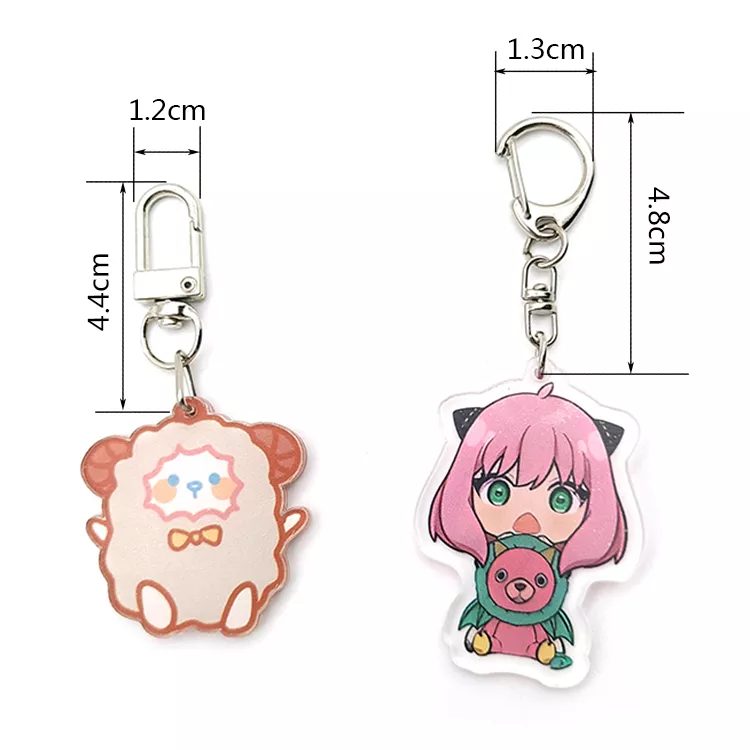
Applicable Scenarios: Covering Everything from Lifestyle Aesthetics to Commercial Spaces
The application scenarios of acrylic ornaments and pendants have expanded beyond traditional decoration, forming four core areas:
Home Decor: Transparent desktop ornaments, bathroom partition decorations, wall art installations, etc., accounting for 45%, their transparent texture and color customization capabilities have made them the first choice for young consumers to create a "light luxury" style;
Commercial Display: Chain brand logo walls, window display props, promotional gifts, accounting for 30%, such as Starbucks and Muji using acrylic pendants to strengthen brand visual memory;
Cultural and Creative Gifts: Scenic spot souvenirs, national trend IP co-branded products (such as Palace Museum cultural and creative products, Dunhuang elements), accounting for 18%, with sales of cultural and creative acrylic pendants increasing by 22% year-on-year in 2024;
Functional Accessories: Cross-border designs integrating true wireless earphone anti-loss clips, makeup mirror pendants, etc., with search volume increasing by 73% month-on-month, expanding the boundaries of usage scenarios.
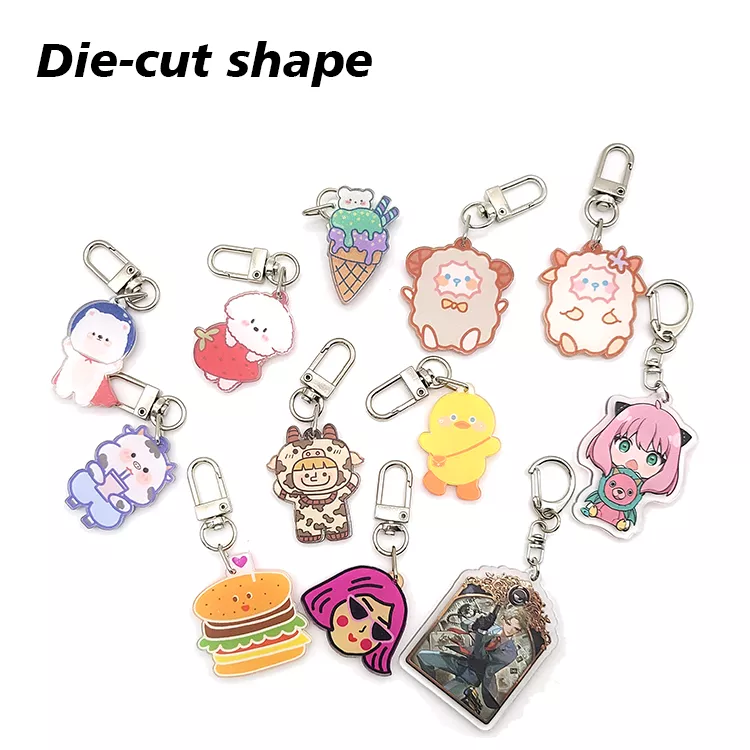
Industry Demand: A Dual Resonance of Policy and Market At the policy level, China's "14th Five-Year Plan for Ecological and Environmental Protection" explicitly restricts the use of traditional plastics and promotes the replacement of plastics with biodegradable materials. Acrylic, as a key category in the "green building materials" catalog, enjoys tax breaks and subsidies.
At the market level, Generation Z (16-28 years old) has become the core consumer group. Their preference for "paying for design premiums" has driven the average price of acrylic pendants from 15 yuan to 38 yuan, with high-end customized models (such as multi-layer laser engraving and luminous functions) exceeding 100 yuan per unit. In 2024, the Chinese acrylic pendant market reached 6.75 billion yuan, and it is expected to exceed 7.6 billion yuan in 2025. Cross-border e-commerce exports increased by 15.3% year-on-year, mainly flowing to Southeast Asia, the Middle East, and North America.
Purchasing Targets: Covering the Entire Supply Chain from Individual Consumers to B2B Clients
The target groups for acrylic jewelry and pendants are diverse:
Individual Consumers: Young women seeking personalized expression (68%), preferring designs featuring cartoon IPs and Chinese characters;
Brands: FMCG and retail companies enhance brand exposure through bulk customization of acrylic pendants, with single orders exceeding 5,000 pieces;
Cultural and Creative Institutions: Museums and scenic spots use acrylic to replicate elements of cultural relics, developing low-priced, high-margin souvenirs;
Cross-border E-commerce Sellers: Leveraging platforms like Amazon and TikTok Shop, acrylic pendants are positioned as "small and lightweight" best-selling products, utilizing flexible supply chains to achieve 7-day rapid delivery.
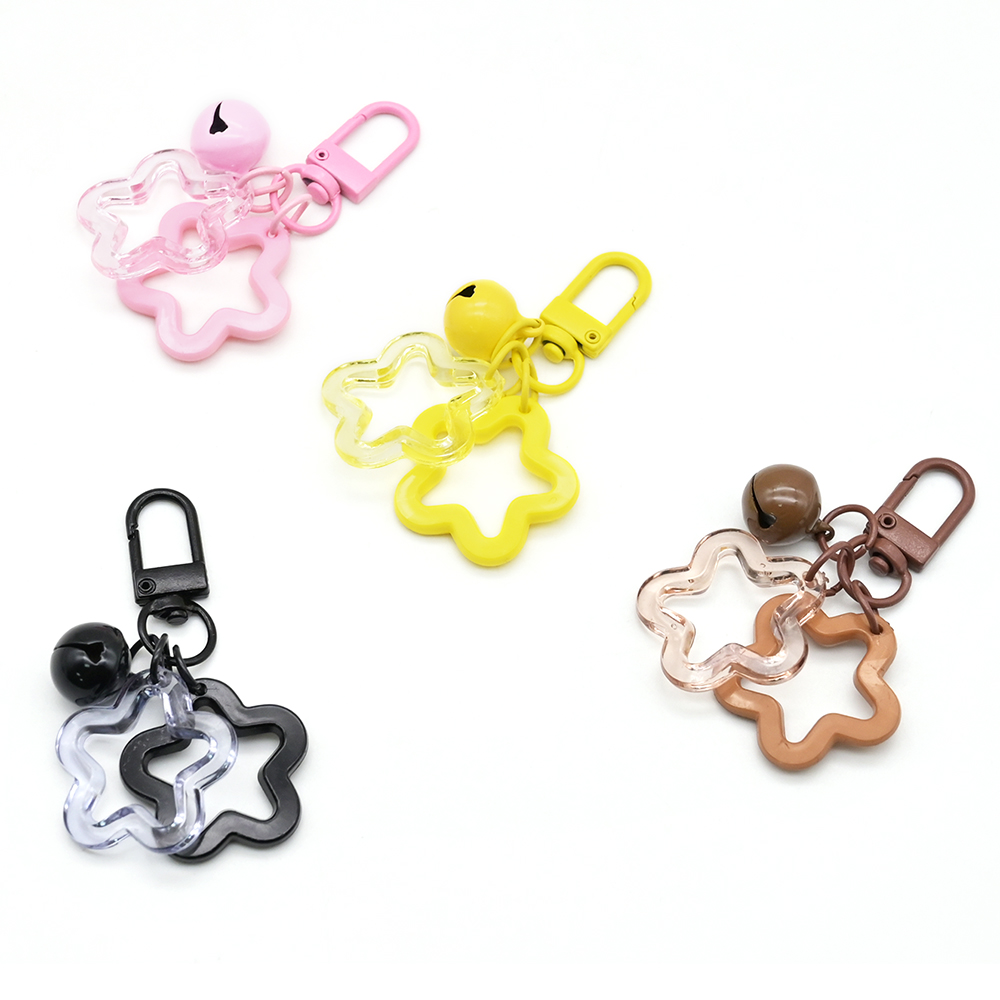
Development Trends: Sustainable Upgrading Driven by Technology
Materials Innovation: Bio-based acrylic (made from sugarcane and corn) is gradually replacing petroleum-based products, reducing carbon emissions;
Process Upgrading: The integration of AI design software and 3D modeling technology shortens the new product development cycle to 3 days, enhancing design premium capabilities;
Circular System: Leading companies are establishing a closed loop of "recycling-regeneration-sales," such as Dongguan Hengyi Plastics, which has introduced automated sorting lines, increasing the utilization rate of recycled materials to 35%.